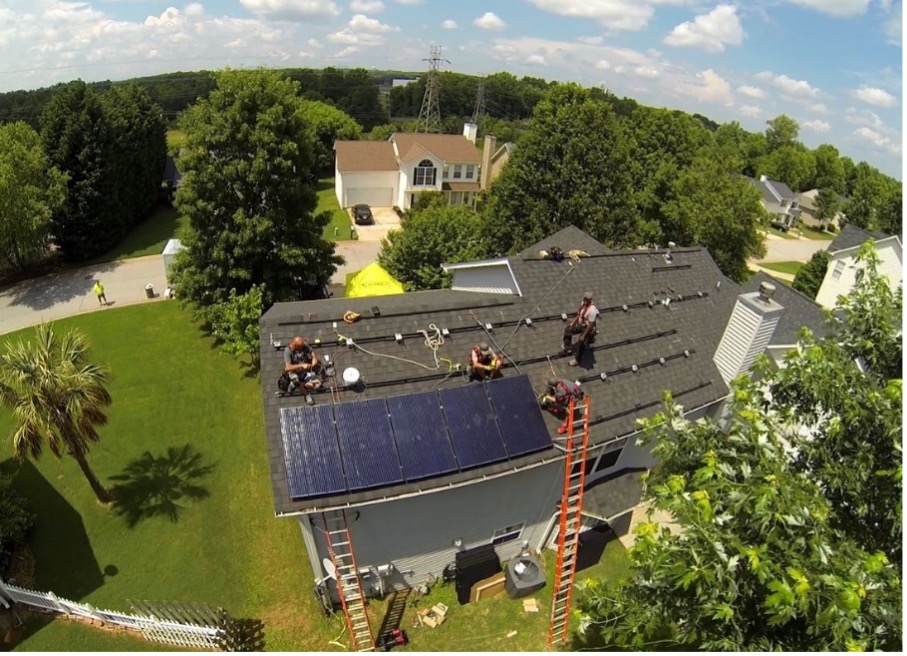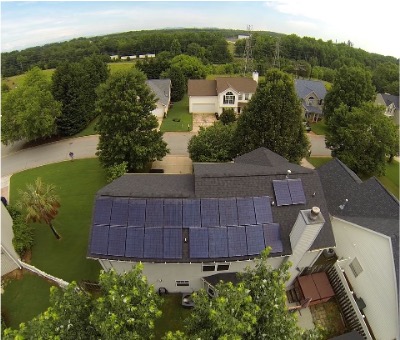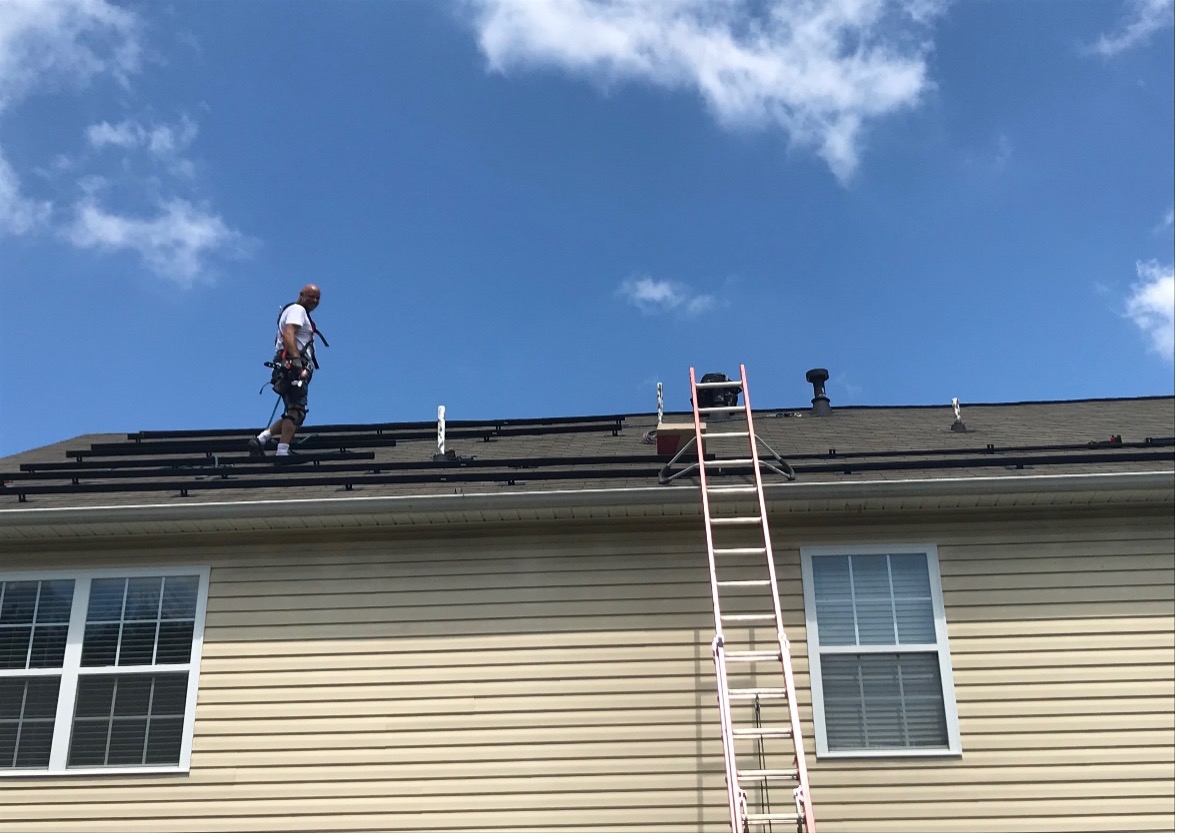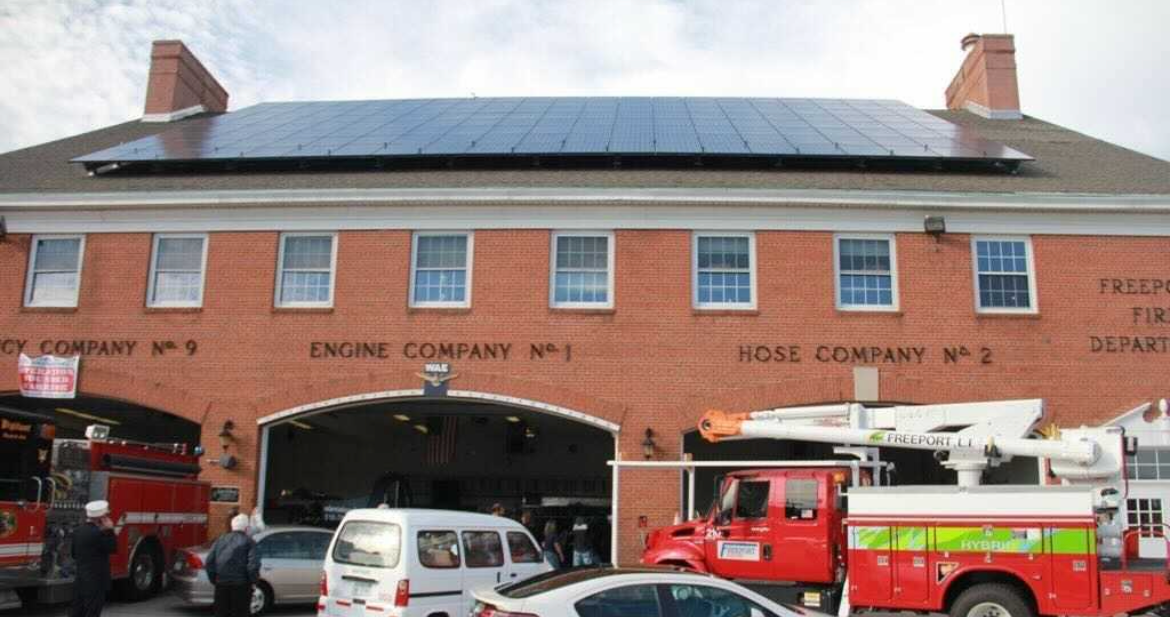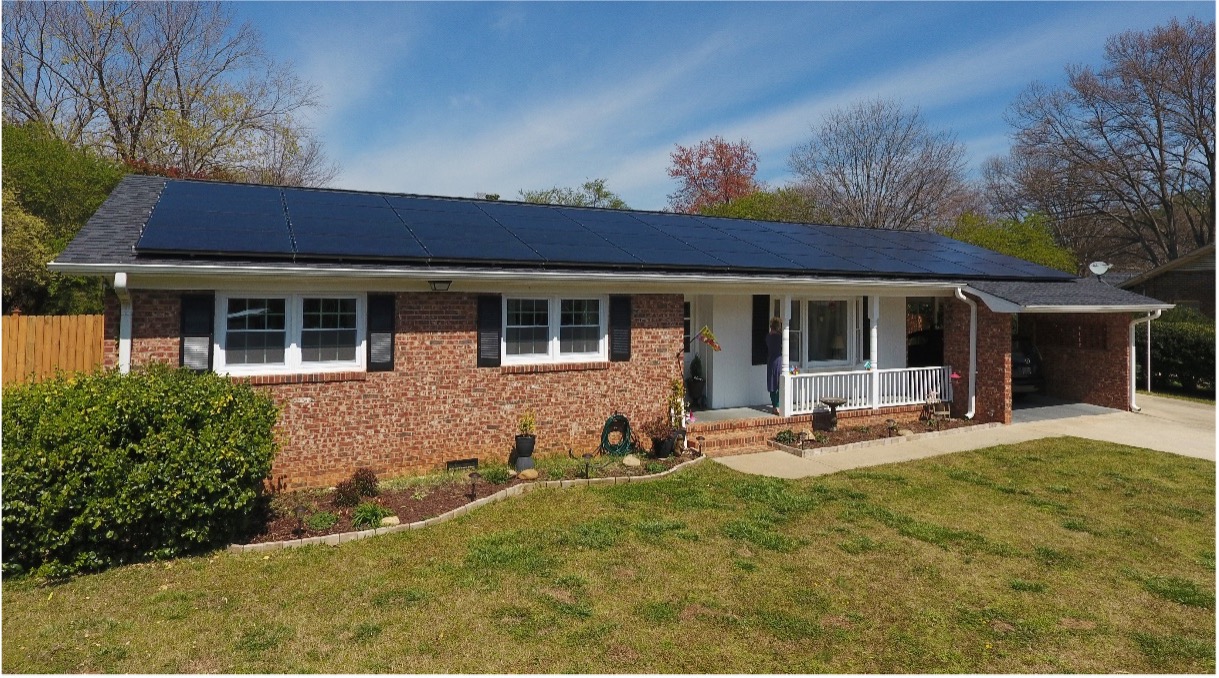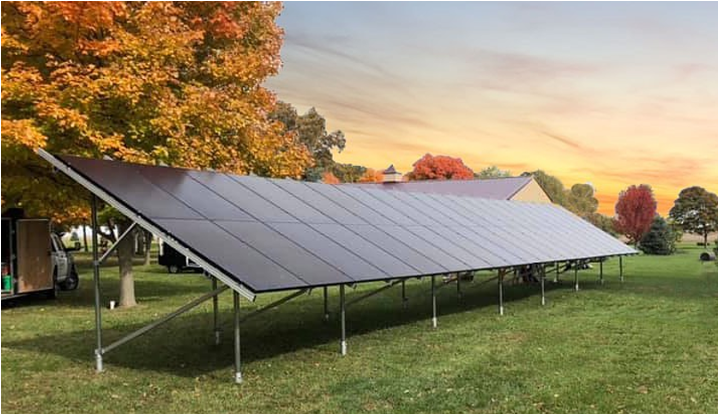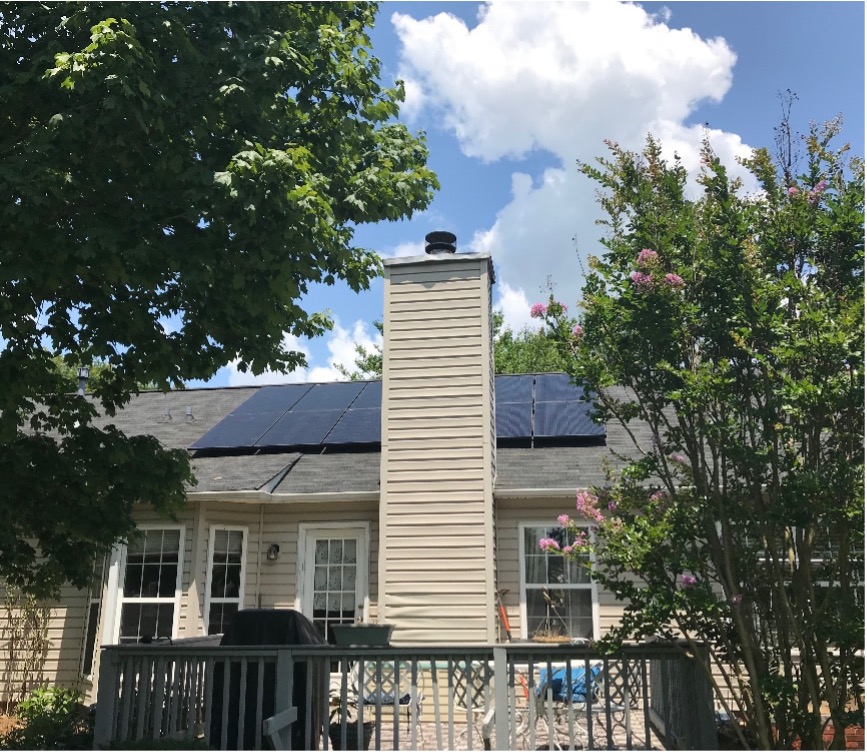

Serving the CAROLINAS with over 40+ years of experience in the Energy Industry. Contact Bob for a FREE Consultation to see how he may be able to save you money!
More solar will be installed in the United States in the next two years than the last 40+ years combined.
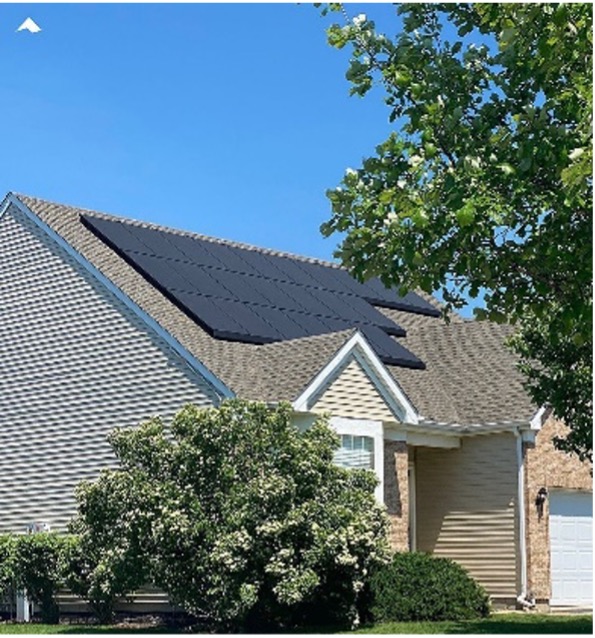
Utilities are always raising rates annually. You don’t OWN anything and if you don’t pay the monthly bill, they cut your power off. Sounds like a Landlord, right? By going Solar, you own your power generation and all the equipment. A Solar Investment adds equity to your property. Once it’s paid for your investment turns into long term savings worth thousands!
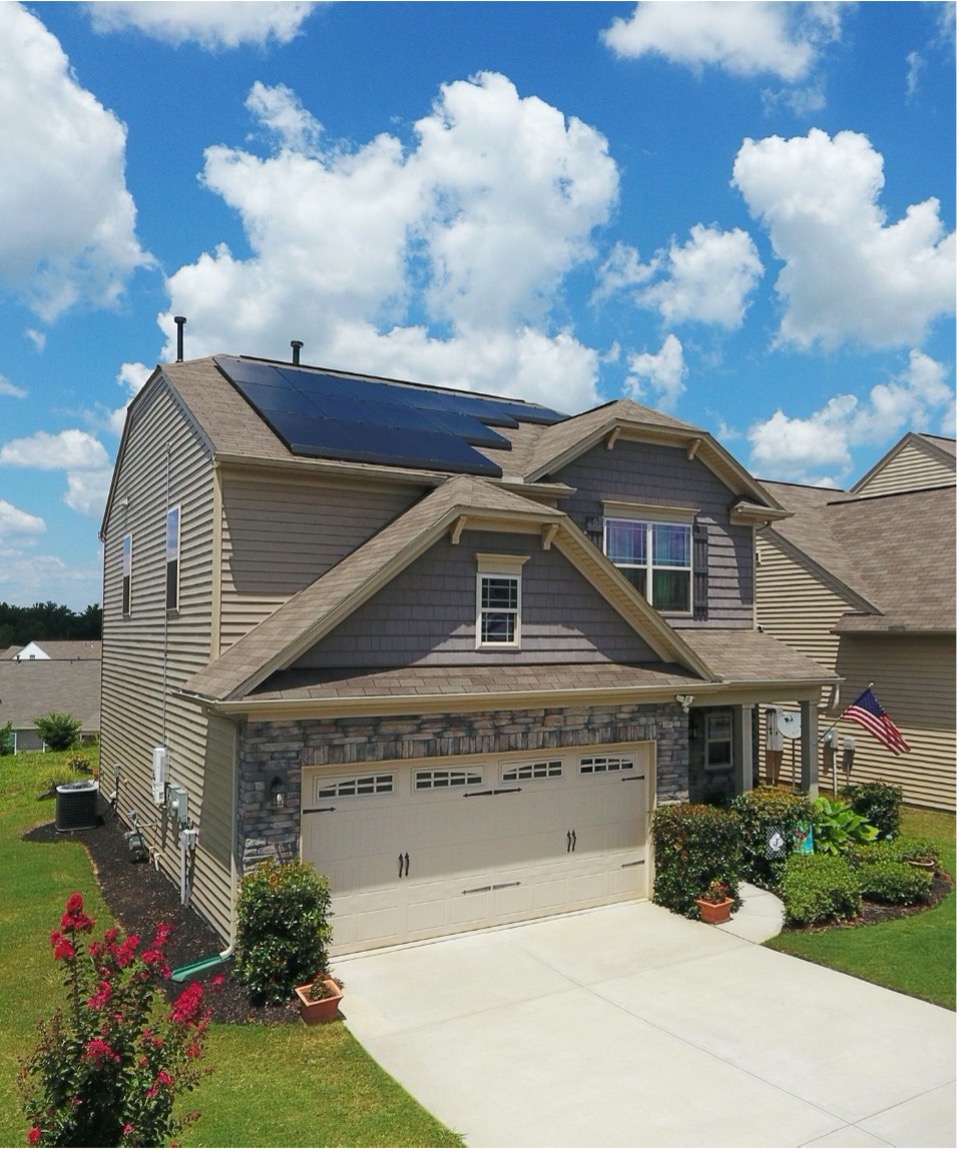
The Federal Tax credit was increased back to 30% in late 2022 and extended for 10 years with the passing of the Inflation Reduction Act. This is fantastic news as it was supposed to expire in 2023. Some States offer an additional State Tax Credit as in SC where the credit is an additional 25% of the system costs.

Bob has 13 grandchildren. You can bet he wants the best environment possible for them and their children. Not only does solar save money over time, it reduces the amount of nasty Coal burned to produce your power. Bob has worked in 2 of the 3 largest Coal Plants (out of 639 in the US). A typical solar system will eliminate 3-4 tons of carbon emissions annually. That’s an offset equivalent to planting over 100 trees each year!
EXCELLENTTrustindex verifies that the original source of the review is Google. Solar panels are a subject that many people will tell you they know. But, far fewer can walk the walk when it comes to results. Bob has a network of trusted and reliable people in the industry that have been developed over years in the business. You can struggle with your questions or you can contact someone that can answer them or point you in the right direction. In a world of hussle and bussle to make a quick buck, Bob is the real deal, and will not stop until your problem has a solution. Oh yeah, did I mention he did not charge me for his help. Rare. Save yourself some time and go to Bob the solar guy. You'll be glad you did.Posted onTrustindex verifies that the original source of the review is Google. My wife found bob on Facebook through a few recommendations. I called him and from the first few mins I knew he was my guy. My system was throwing fault codes and he lead me down the right path to get the system back online. We are currently working together to fix my solar system. His knowledge and understanding is unmatched. If you're thinking of getting solar or already have a system bob is your man to talk to first. Don't wait call him asap.Posted onTrustindex verifies that the original source of the review is Google. We started working with Bob in July of 2019 and our system was installed in August 2019. Bob walked us through the system design, benefits for us, the enphase app and installation process. He was not pushy, very professional and focused on uncovering if solar is right for the customer. Bob followed up during installation and after to make sure we were satisfied. Installation went great and Duke Energy approved and linked our solar system to the grid within two weeks. Our solar system annually produces 30% of our usage. During the fall and spring we rarely get an electric bill and the ones we get are $10 to $20. During the winter and summer months the bills are 25% to 35% less given our solar production. Overall we are very pleased we chose Bob The Solar Guy to help us with our solar needs.Posted onTrustindex verifies that the original source of the review is Google. Bob is the go-to guy for solar. Knowledgeable, honest, and always looking out for the homeowner! Great experience working with him.

My 13 grandkids call me “GrandBob”. My family still calls me Bobby. My neighbors call me Bob. But everyone else calls me “Bob the Solar Guy”!!
I don’t work for any of the companies I recommend. I’m an independent energy consultant. I can save you the TIME you’d spend doing all the research when it comes to these projects. I know most of the products and prices to get them installed. I’ve vetted (and used some of) the trusted partners I recommend. I have a large network of service providers I trust (ie. Roofing, HVAC, Insulation, Doors and Windows).
If you are considering one of these solar and/or battery projects, let’s have a quick call. I’m really good at explaining all features, functions, brand differential, solar company comparisons, solar projects, PLUS Battery and Generator options.

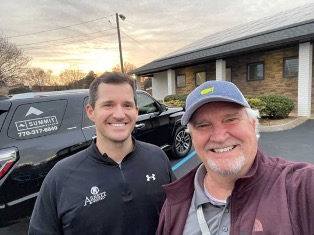
Ken Stewart founded Easley Electric in 1993. Over the past few years, Easley Electric has won many Commercial projects and had to turn down a lot of Residential projects. Ken founded Easley Electric on quality residential service and wanted to get back to helping homeowners with more than electrical services. He aimed to help homeowners accomplish maximum energy efficiency through various solutions. Ken reached out to Bob the Solar Guy, wanting to include solar and batteries in his list of services. We incorporated Sunset Renewables (installation company) and formed My Carolina Electric. We use our vast network of trusted, reliable partners to offer more than Electrical and Solar services. Those include Foundation and Waterproofing solutions, HVAC systems, Roofing, Insulation, Doors & Windows.
Nobody likes this answer, but it depends. The number of panels are the best way to estimate costs. So, the question is how many panels do I need? That depends on how much power you use annually and how much of your power bill do you want to offset with solar power.
Two identical houses side by side, facing the same direction may have totally different power bills. One sets summer thermostat at 68° while the other is at 74°. One has no children and the other has 4, which play lots of games on computers. They may have 2 extra refrigerators, etc. This is why it’s a difficult question to answer without gathering some usage information.
Ideally, from the time you sign up until you get installed it’s about 3-4 months. There’s a lot of paperwork that has to be managed; applications, permits, environmental studies (for ground mounts), CAD and Electrical drawings, etc.
Most people can save tens of thousands of dollars on electricity costs over the lifetime of a solar panel system (30+ years). It will depend on many factors, including how much you spend on electricity, how much electricity your solar system generates, incentives available in your area, and more.
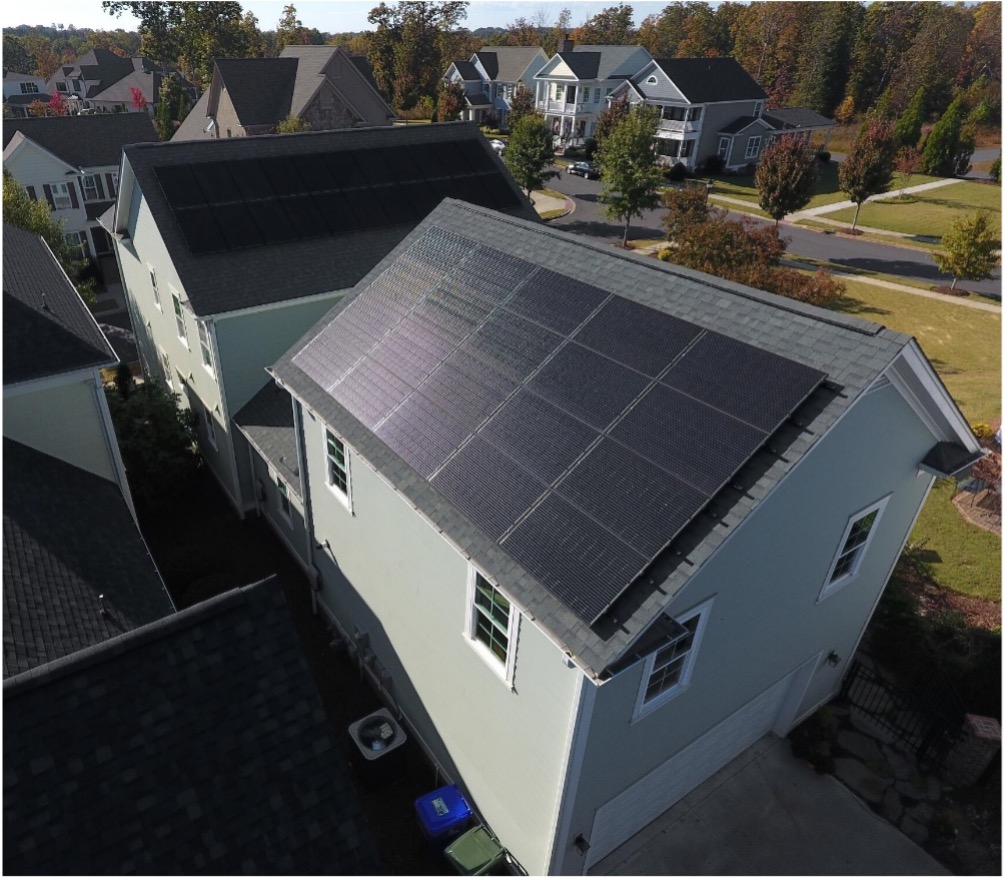
HOA’s are a fickled bunch. Some are very pro-environment and allow panels anywhere. Some have their head in the sand and for some reason don’t think solar works or don’t like the looks. They probably didn’t like satellite dishes either! It’s understandable for the HOA wanting to control the aesthetics of the neighborhood. But to limit people on where they can put panels is violating the homeowner’s right to save money on their power bill and take advantage of huge tax savings. Many states have passed “Solar Access Laws” that limit how much control an HOA has over solar. NC did it in 2007. There’s a bill going through SC Legislature now that will make all HOA restrictions on solar null and void. Bob has worked with many HOA’s to introduce solar into the neighborhood.
Solar Offset is the percentage of solar power used to reduce your power bill with the utility. A 100% offset would mathematically eliminate your kwh usage of your bill and you’d only be left with the utility’s base connection fees. Most people can’t achieve 100% due to the amount of power they use, the complexity of the roof, HOA restrictions, or the shade factor.
Probably between 8 and 50 but it’s hard to tell without your input. I know that doesn’t answer the questions, but it’s hard to tell without input. Every house/property is different. The number of panels you need depends on how much sun hits your property, your energy usage, and the amount of space you have available for the installation. If you have enough roof space or land to generate all the electricity you need, you’ll save thousands over the years. But, most people can’t achieve 100% Offset. Any Solar Offset is better than none!!
During bad weather (rain, snow, ice), your system will continue to produce energy. As long as there is some daylight, even with dark skies. It’s just producing less than 100% at that moment. During an outage you lose power like normal. Since your solar system is sending your excess live electricity back to the grid, it’s a safety hazard if that electricity gets on the grid. You could injury someone working on the outage. Once power is restored, your system is automatically turned back on. Can we discuss batteries now?
Maybe. It’s worth a conversation. For several years, I’ve talked a lot of people out of batteries. They were expensive (i.e. $20K). But prices dropped and storage capacity increased, making them more attractive. If you have a lot of outages and they are more than 6 hours, you should consider one. Plus, you can save on your electric bill by pulling power from your battery at night when the solar isn’t producing. If your utility has demand charges, peak pricing, and time-of-use rates, then a battery might be well worth the investment and save you more money. Bob works mostly with Tesla, Franklin, Sonnen, Liniotech, and GridBoss EG4 batteries.
YES! This is a great solution in HOA’s that don’t allow solar. You will need to have at least a small portable generator to charge it. A generator with a 240v outlet is preferred (110v takes too long to charge a home battery). Tri-fuel generators are recommended. Sometimes in a storm, gasoline may be hard to find, but you can buy a regular propane tank on every corner. It takes about 3 hours of generator power to fully charge a home backup battery (which will supply about 12 hours of limited power. You can get about 12-15 hours of charge from a single propane tank. If you have natural gas already, all you need is the connection hose.
Not a problem. I have a lot of customers that have already moved and called back to put a system on their new house. All warranties and any financing transfers to the new owner without any fees. There’re several strategies we can discuss about the value of the system and how to price your house. Plus you get to keep the tax credits.
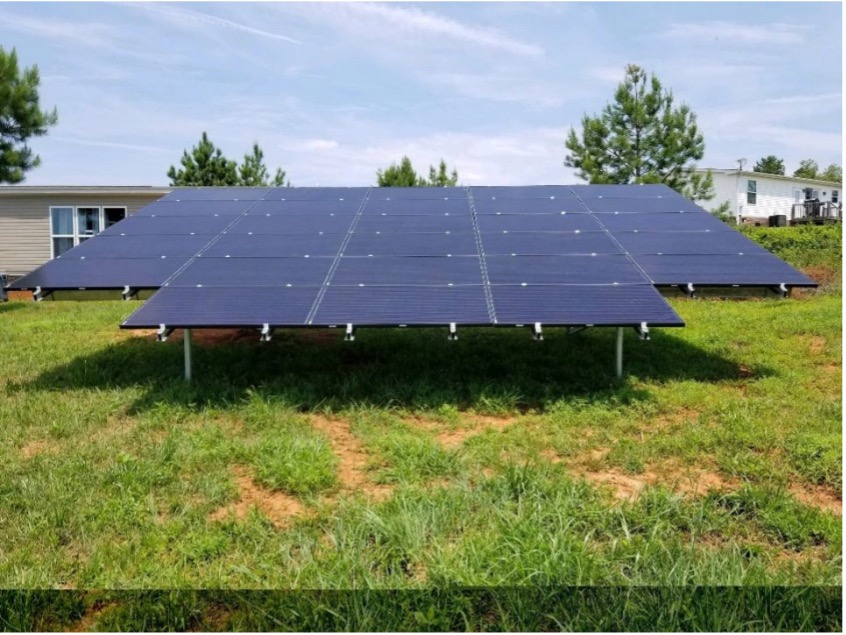
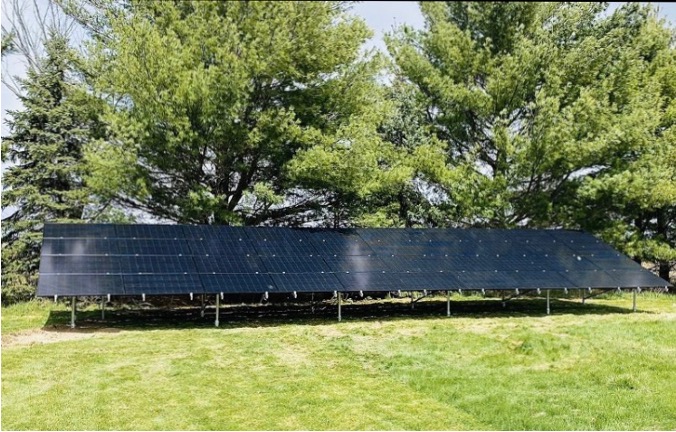
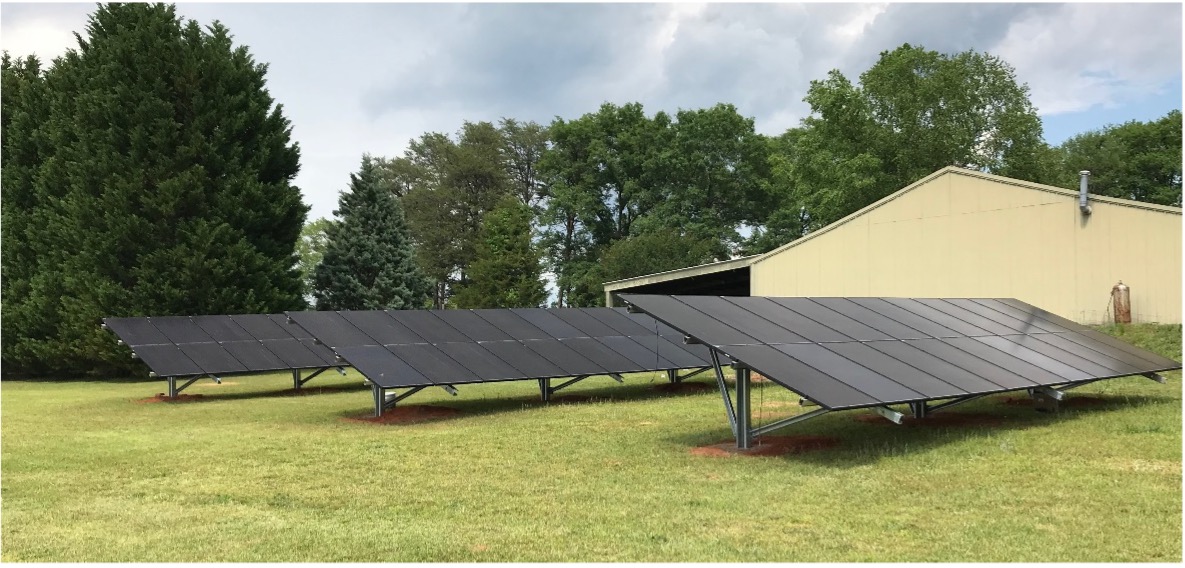
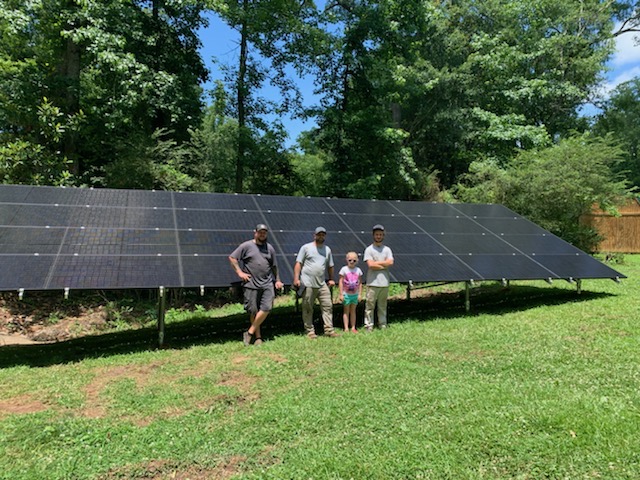
We do a lot of Ground Mount systems. They are a little more expensive due to the extra materials for mounting the panels and the trench to run power back to the meter. But ground mounts typically produce the most power due to direction mounted and tilt.
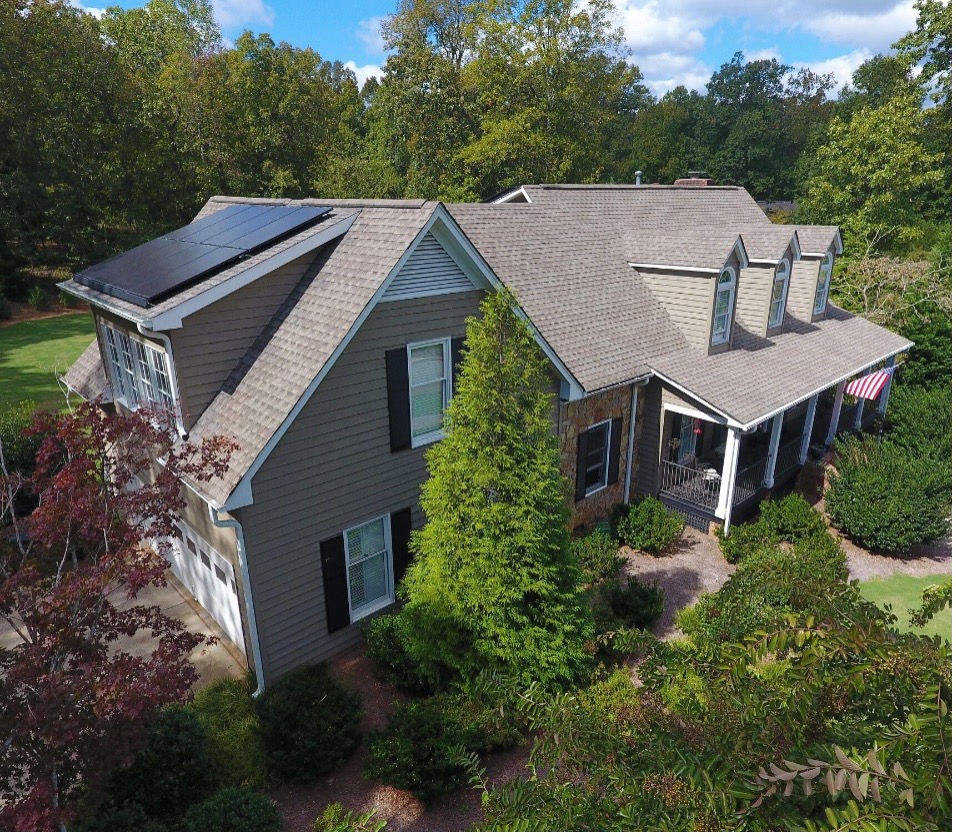
If it’s not 15 years old, then you’re good. If it’s older than 15 years with 20yr shingles, you might want to think about replacing the roof. There’s good news! If you roll your new roof into a solar project, you’ll get the same tax credits for the roof too!
Most likely YES. If you have 2×4” rafters spaced 16-18” apart or 2×6” rafters spaced 20-24” apart, you’re good. Note that mobile homes and manufactured homes have little-to-no attic access, and the rafters may not be strong enough to hold the weight. Some states restrict mobile/manufactured homes to Ground Mount systems only.
YES! Solar is an INVESTMENT that retains value. Paying your power company is like paying RENT. There are many studies showing the value solar adds to your property. Some of these come from Berkeley Labs, Forbes, National Real Estate Institute, American Appraisers Association, and even Zillow says solar adds an average of 4.1% to the Market Value of homes.
YES! In fact, if you are moving into a new home or it’s new construction, I always recommend starting conservative until you know what your energy needs will be. I have many past customers that call back after a year or two because they’ve built a workshop, had children, bought an EV, etc. They request to add panels and some want to add a battery.
Incorporate solar into your new home plan. Bob does pre-construction planning for new homes and incorporating solar.
Yes, but it’s a very different scenario. You will have to configure the system carefully to have enough panels to charge the batteries back to 100% on a dark/rainy day when solar isn’t performing at max capacity (worse case). Then you’ll need enough batteries to run EVERYTHING. You’ll no longer be able to lean on the Grid for any shortage of power – you won’t even have a meter. This means you’ll need lots of battery capacity to run the heavy loads of HVAC systems, washer/dryer, well pumps, etc. These are most likely not the popular Tesla, Generac, and SolarEdge batteries. They are different. These type systems may cost $3000 to $8000 more than a Grid tied system. I’m happy to discuss this option if that’s what you want. Fill out the form and the bottom and I’ll be in touch.

Bob will contact you within 24 hours, but he’ll need some information from you to prepare for the conversation. Please fill out the form below.